Wolkentyp online kostenlos erkennen – KI-Wolkenerkennung
Wolkentyp per Foto online kostenlos bestimmen: Himmelsfoto hochladen, Wolkenarten wie Cumulus, Stratus oder Cirrus erkennen und Wetterinformationen erhalten.
ALLE WOLKENTYPEN
Stratocumulus
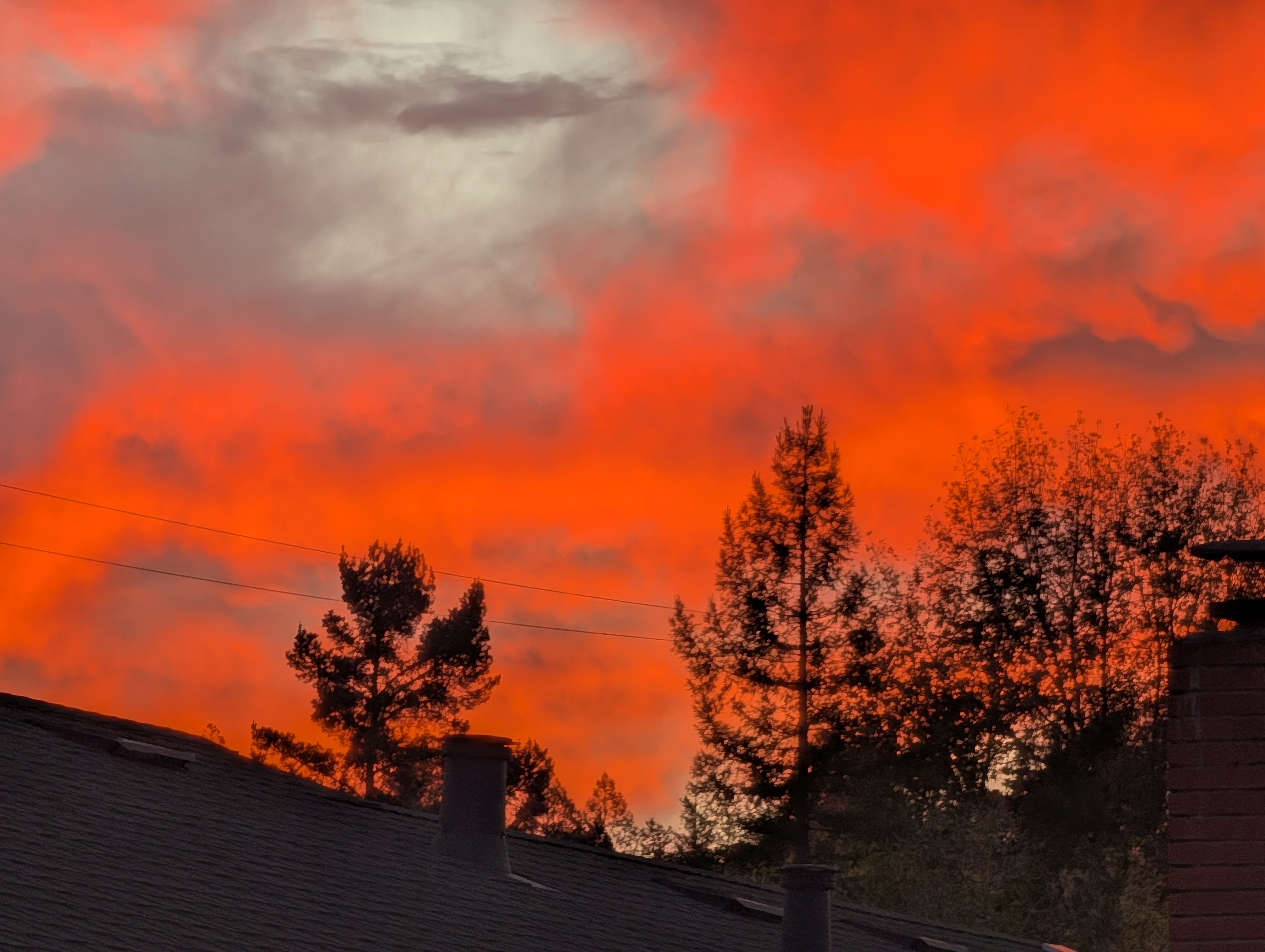
Low-level, layered cloud with a flat base and broken, patchy structure. The clouds exhibit a vivid reddish-orange tint due to the low-angle sunset light, creating a warm, glowing appearance. The texture appears somewhat fibrous in some regions while remaining generally uniform across the layer. No precipitation is visible, and the cloud top is relatively low, consistent with typical low cloud altitudes.
Stratus
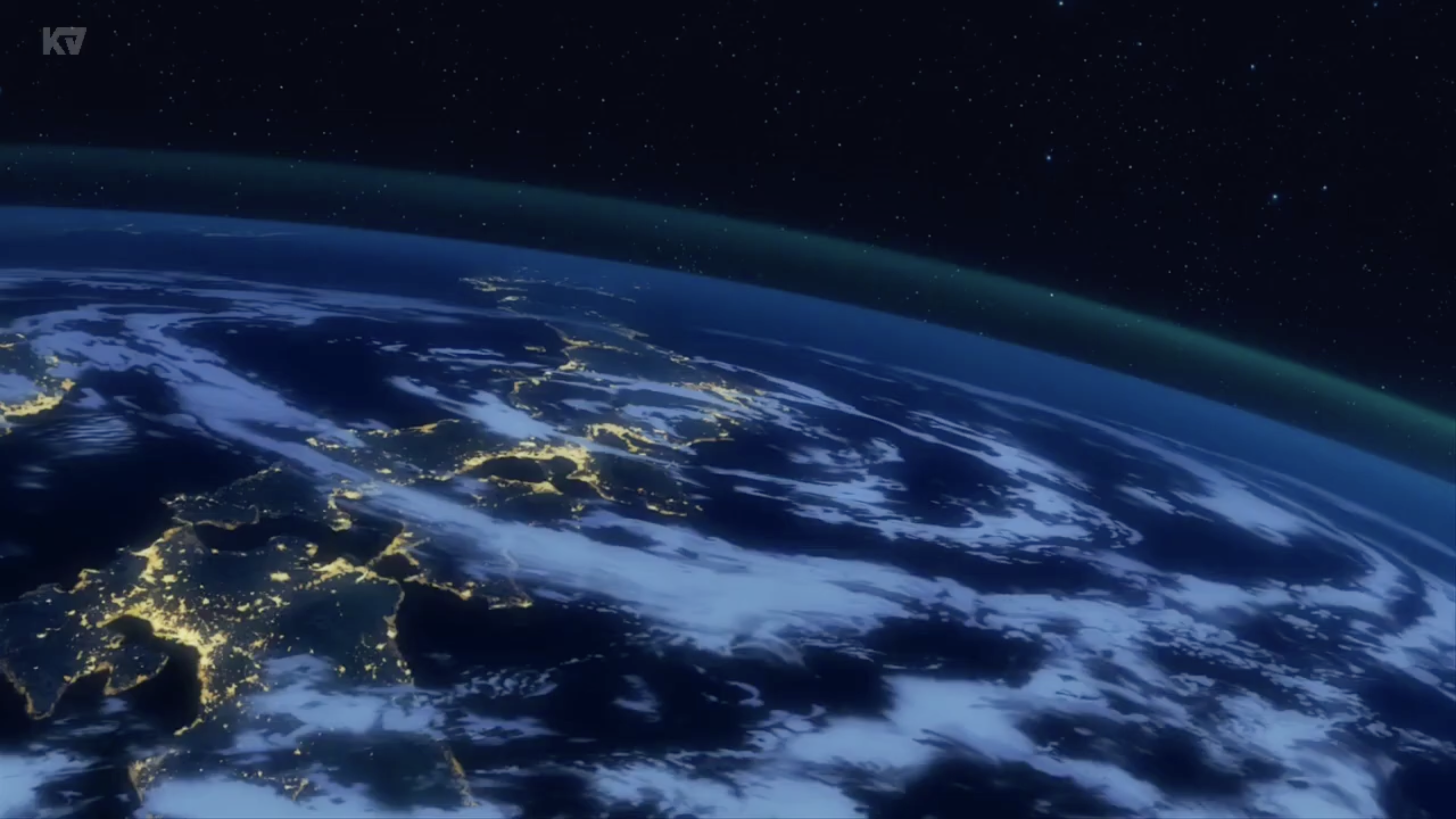
Widespread, sheet-like cloud cover with a uniform, smooth texture. The clouds appear white to light gray, with a low, flat base. They are extensive over both land and ocean, creating a continuous layer without distinct vertical development. No visible precipitation or sharp edges are present, indicating a stable atmospheric condition.
cumulonimbus
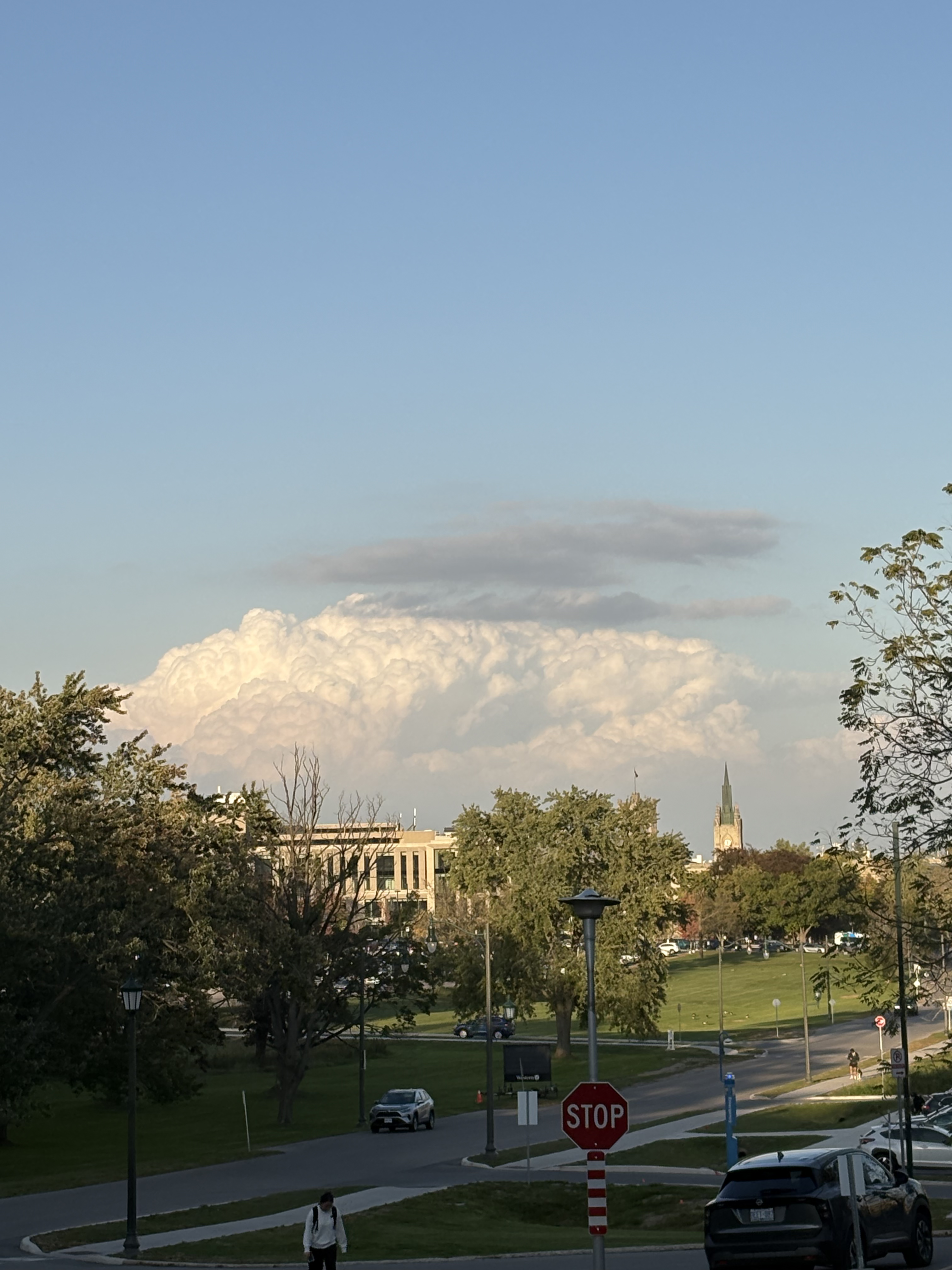
A large, towering cumulonimbus cloud with a bright white, billowy top and a relatively flat base. The cloud exhibits a dense, cotton-like texture with significant vertical development, indicating strong updrafts. No precipitation is visible in the image, but the cloud's structure suggests potential for severe weather. The cloud top appears elevated, while the base is relatively low in the sky, creating a dramatic contrast with the clear blue sky.
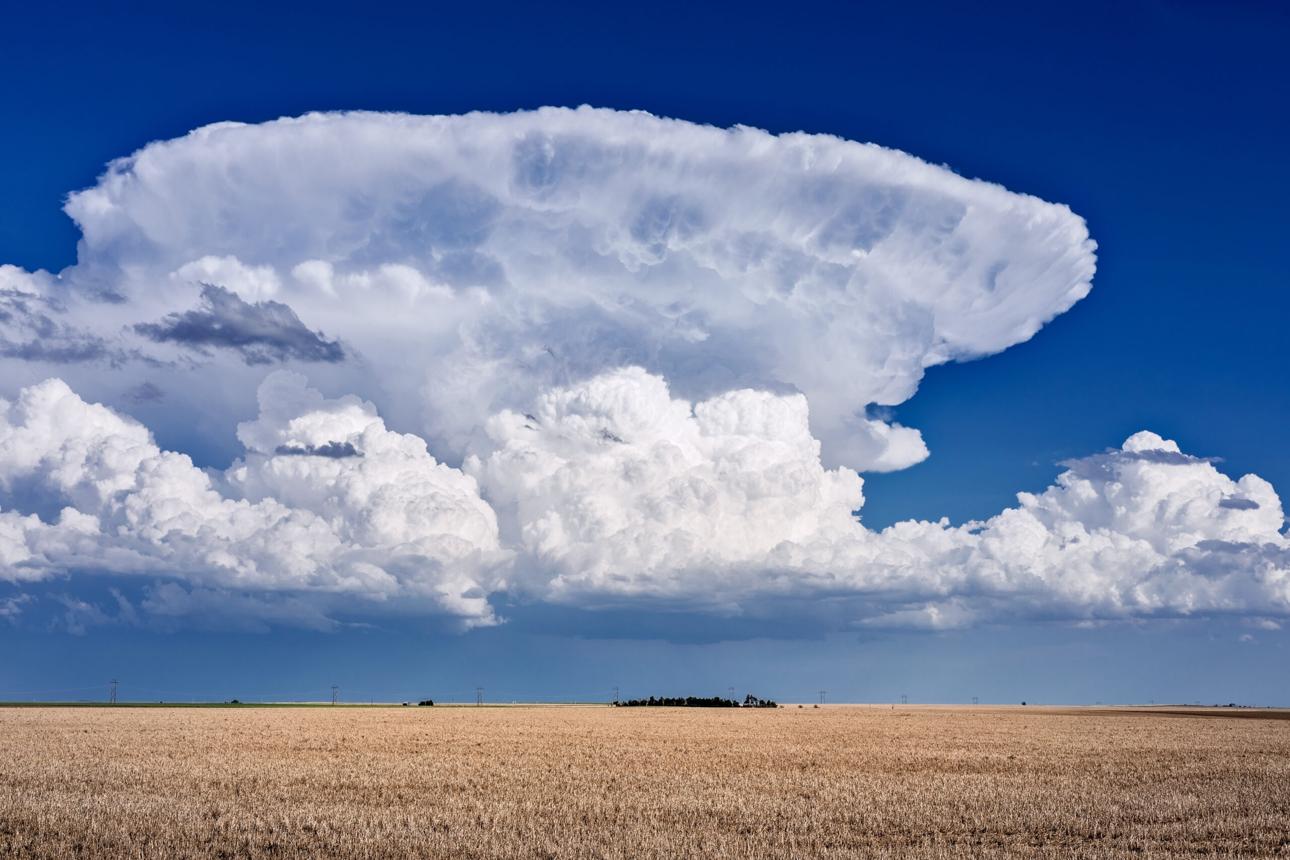
cumulonimbus
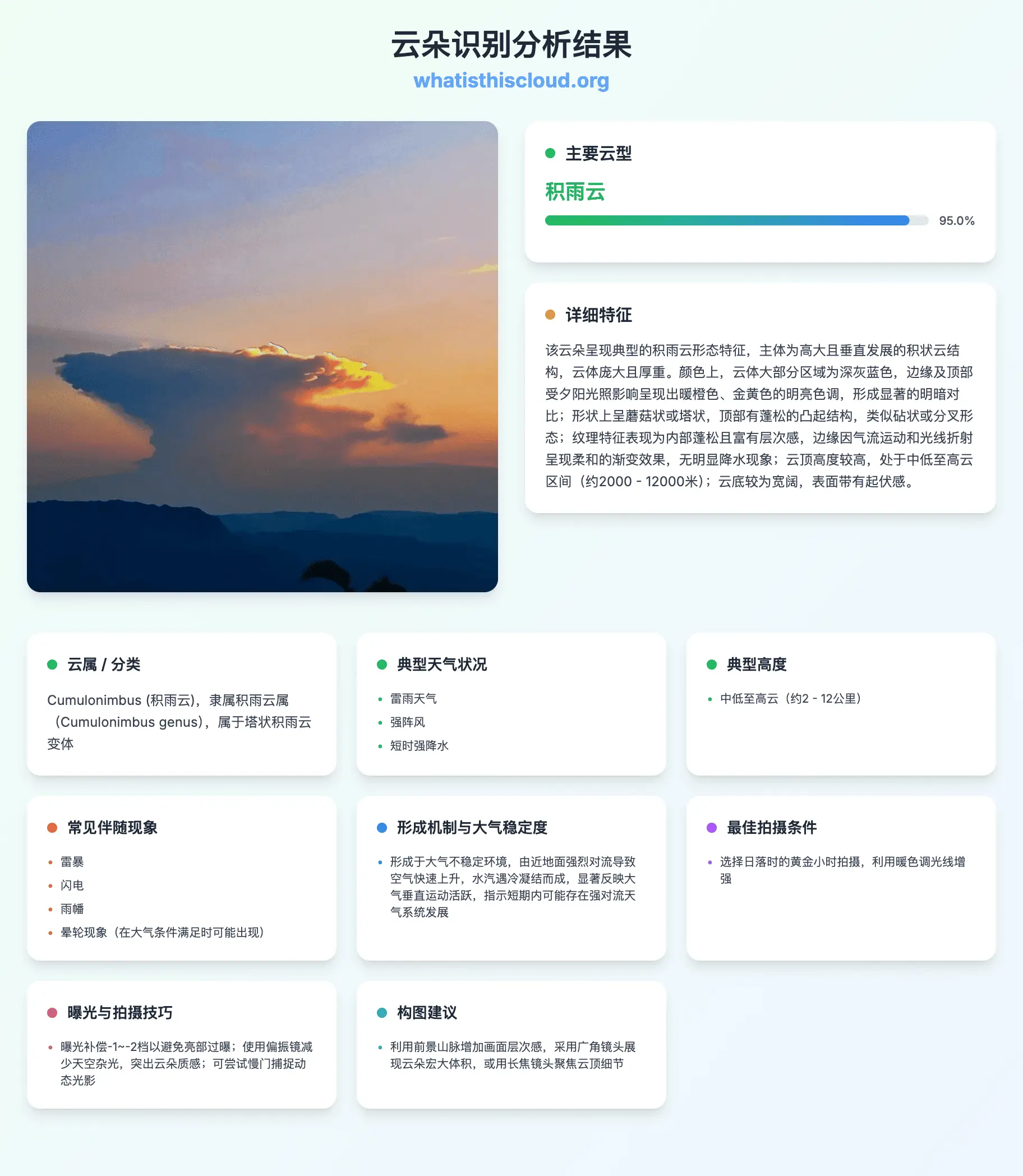
A massive, towering cloud with a distinct anvil-shaped top and extensive vertical billowing. The cloud appears bright white with subtle grayish shading in the upper regions, indicating high moisture content. The base is broad and low-lying, spanning a large portion of the sky. The texture is turbulent with visible convective cells and a slightly rough, undulating surface. No precipitation is visible in the image, but the structure suggests a mature storm system.
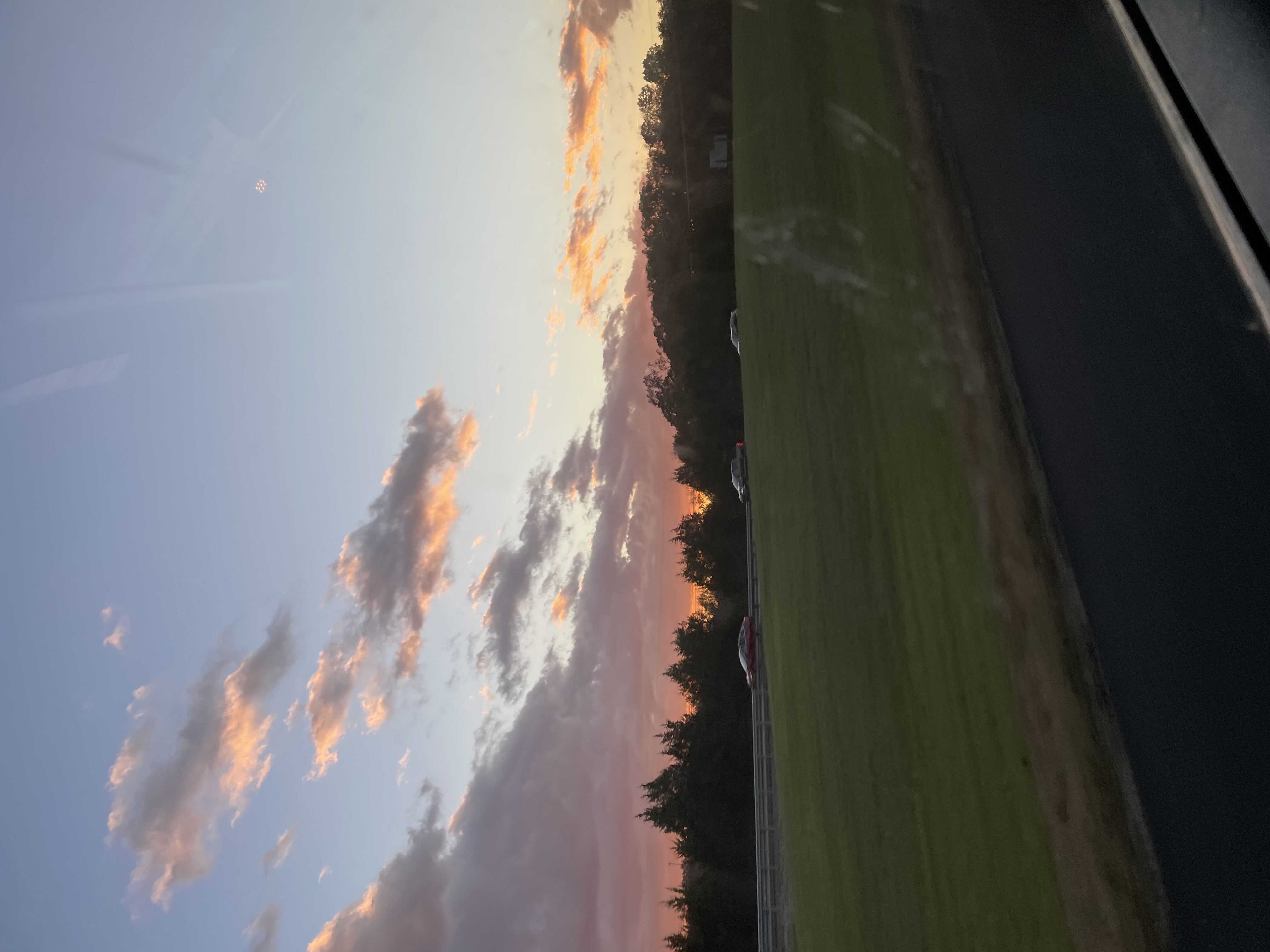
cumulus
Scattered, fluffy cumulus clouds with a soft, rounded shape and a warm pinkish-orange tint from the setting sun. The clouds have flat bases and appear relatively low in the sky, with a slightly textured surface. No precipitation is visible, and the clouds are well-defined against the blue sky.

cumulus
Scattered, bright white, fluffy cumulus clouds with distinct, rounded shapes and flat bases. They appear isolated and well-defined against the blue sky, with no signs of precipitation or vertical development.
Vertrauenswürdig für Himmel- und Wetterwissen
Warum unser Tool zur Wolkenbestimmung nutzen?
Für Wolkenklassifizierung, Wetterwissen und beeindruckende Himmelsfotos
KI-Wolkenerkennung
Modelle, die darauf trainiert sind, wichtige Wolkengattungen und -arten in echten Himmelsfotos zuverlässig zu unterscheiden
Sofortige Klassifizierung
Erhalte in wenigen Sekunden Wolkentyp, Strukturhinweise und Kontext – ideal für Beobachtungen vor Ort und Hausaufgaben
Meteorologischer Kontext
Ordnet jeden Typ typischem Wetter, Höhenbereichen und seiner Entstehung zu – im Einklang mit Konzepten des Wolkenatlas
Kostenlose Version
Teste die Wolkenbestimmung ohne Abonnement und buche bei Bedarf zusätzliche Credits
Für Mobilgeräte optimiert
Nutze unterwegs die Kamera deines Smartphones – auf Smartphone, Tablet und Desktop-Browser
Ausführliche Erklärungen
Lerne Merkmale und Fototipps kennen und erfahre, was die Wolken über das kommende Wetter verraten können
So funktioniert die Wolkenbestimmung und -klassifizierung
Himmels- oder Wolkenfoto hochladen
Lade ein Foto hoch oder nimm ein Bild auf, auf dem die Wolken deutlich vor dem Himmel zu sehen sind.
KI-Analyse
Unser Modell bewertet Form, Textur, Hinweise auf die Höhe und den Kontext, um die wahrscheinlichsten Wolkentypen vorzuschlagen.
Deinen Bericht lesen
Prüfe Klassifizierung, ähnliche Typen, typisches Wetter, Höhe und Tipps für bessere Himmelsfotos.
Häufig gestellte Fragen zur Wolkenbestimmung und -klassifizierung
Was ist Wolkenbestimmung und wie funktioniert die Klassifizierung hier?
Wolkenbestimmung benennt, was du am Himmel siehst, zum Beispiel Cumulus oder Cirrus. Die Klassifizierung folgt meteorologischen Systemen wie Gattungen, Arten und Varietäten, die auf Form, Höhe und Struktur basieren. Lade ein klares Himmelsfoto hoch – unsere KI schlägt passende Typen vor und erklärt sie in verständlicher Sprache.
Wie genau ist die KI-Wolkenbestimmung?
Die Genauigkeit hängt von Fotoqualität, Licht und davon ab, wie typisch die Szene ist. Klare Ränder, natürliche Farben und genügend Himmelskontext helfen dem Modell, ähnliche Schichten wie Stratus und Nimbostratus zu unterscheiden. Betrachte die Ergebnisse als Lernhilfe, nicht als Ersatz für offizielle Wettervorhersagen oder Flugwetterbriefings.
Kann ich dieses Tool kostenlos nutzen?
Du kannst mit einer kostenlosen Version und einer begrenzten Anzahl von Analysen starten. Pro bietet zusätzliche Credits für die häufige Wolkenbestimmung und -klassifizierung. Die aktuellen Limits findest du auf der Preisseite.
Welche Wolkentypen kannst du erkennen?
Das System ist auf wichtige Wolkengattungen und häufige Arten ausgerichtet: Cumulus, Stratus, Stratocumulus, Altocumulus, Altostratus, Nimbostratus, Cirrus, Cirrocumulus, Cirrostratus, Cumulonimbus und verwandte Varianten, sofern sie im Bild sichtbar sind.
Was macht ein gutes Foto für die Wolkenbestimmung aus?
Nutze möglichst Tageslicht, vermeide einen überbelichteten Himmel und zeige ausreichend Wolkenstruktur, etwa Unterseite, Oberseite oder Schichttextur. Weitwinkelaufnahmen sind oft hilfreicher als winzige Ausschnitte. Achte darauf, ob die Sonne hinter der Wolke steht, da Gegenlicht für die Klassifizierung nützliche Konturen sichtbar machen kann.
Kann ich das Tool auf dem Smartphone nutzen?
Ja. Die Website ist responsiv: Nimm ein Foto mit deiner Kamera auf, lade es hoch und prüfe die Bestimmung und Klassifizierung direkt vor Ort oder nach deinem Spaziergang.